Blog
There are plenty of gate companies out there — but very few that combine technical expertise, quality workmanship, and genuine customer care.
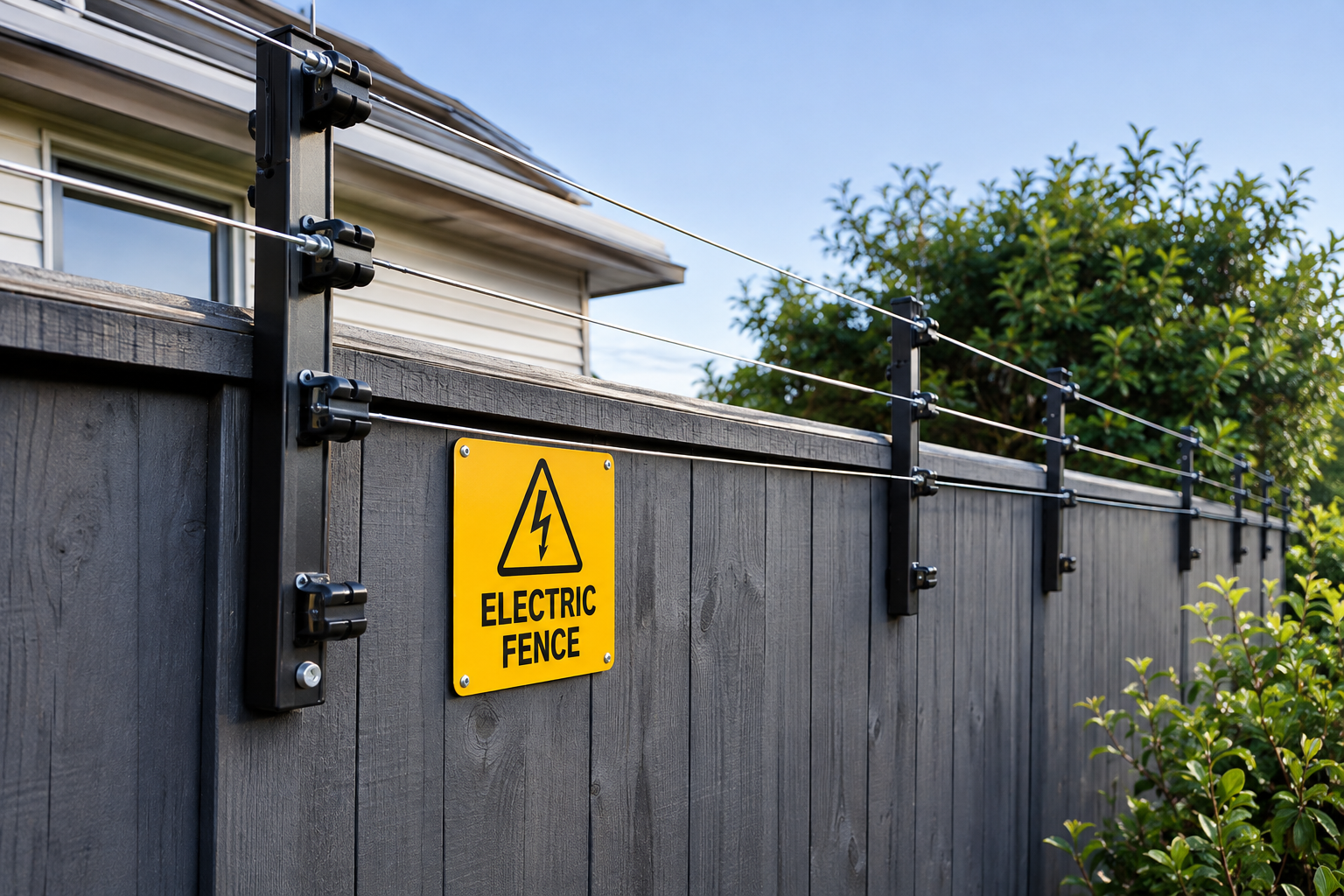
If you already have a fence around your property, you have a head start on security. The fence marks the boundary, gives you some privacy, and puts a physical obstacle in the way. What it does not do is tell you when someone is trying to get over, through, or around it. That is the gap electric security fencing fills, and in many cases you do not need to start again to fill it. This guide explains what is actually involved in adding electric security fencing to an existing fence, so you know what to expect from the first conversation through to the finished system.
In many cases, yes. EzyGate can integrate electric security systems with suitable existing fencing structures, which means your current fence can become the base for a stronger security layer rather than something to rip out and replace.
The important word there is “suitable”. Not every fence is a good candidate, and the only reliable way to know is to have it looked at. A fence that is in good condition and well built is a very different starting point from one that is leaning, rotting, or already failing in places. Adding electric security to a weak fence does not fix the fence, so the first job is always an honest check of what you have.
Before anything is designed, the existing fence needs to be assessed. The things that matter most are the condition of the fence, its height, and how it is built. A fence that is solid, straight and structurally sound gives the electric system something reliable to work with. One with damaged sections, loose posts or gaps will usually need repairs first.
It also helps to walk the whole boundary rather than just the part you are most worried about. Fence lines often change along their length, with a solid section by the house, a lighter section across the back, and a patched repair somewhere in between. A security system is only as strong as the weakest part of the line, so these differences matter.
Electric security fencing is not one single thing, and the right setup depends on what you are trying to achieve. Some owners mainly want a visible deterrent. Others want to be alerted the moment someone tampers with the fence. Many want both.
EzyGate’s electric security fencing installation includes integrated intrusion detection that provides immediate alerts when a fence line is compromised. If detection and alerts are important to you, say so at the start, because it shapes how the system is designed and what equipment is needed.
Once the fence has been checked and your goals are clear, the system can be designed for your particular site. This stage is where the components are chosen and the layout is planned, including the energisers that power the system, the warning signs, and the monitoring that lets you know what is happening along the fence line.
Good design pays attention to the whole property rather than just the fence. Where do vehicles and people enter and leave? Where does the fence meet gates, walls or neighbouring boundaries? Are there trees, garden beds or other features close to the fence line that could cause problems later? Working through these questions on paper is much cheaper than finding the answers after installation.
Electric fencing has rules around how and where it can be used, particularly near public boundaries, and local conditions can affect what is allowed. It is worth confirming what applies to your property before the layout is fixed, rather than discovering a problem once the work is underway.
This is one reason professional installation matters. EzyGate’s certified technicians install all fencing components to ensure safe operation, compliance, and dependable performance. Raising your boundary situation early, especially if any part of the fence faces a street or footpath, helps the design avoid problems from the start.
With the design settled, installation adds the electric components to your existing fence. Because the fence is already there, the work is generally about adding to it rather than building from scratch, which is part of why upgrading an existing fence can be a practical route.
Installation is also where the quality of the work shows. Components need to be fitted correctly, connected properly, and set up so the system operates safely. This is not a job to treat as a weekend project. A poorly installed electric fence is a risk to everyone around it, including you, which is why trained installers make such a difference.
If your system includes intrusion detection, this is the stage where it is set up and configured. The idea is simple: when the fence line is touched, cut or tampered with, the system can send an alert, so you find out as it happens rather than the next morning.
It is worth being clear with your installer about who should receive alerts and how you want to be notified. A system that alerts nobody useful, or that alerts so often it gets ignored, does not help you. Getting this right at setup makes the difference between a system that protects you and one that just sits there.
Electric fencing works best as one layer in a wider setup, not the only line of defence. EzyGate combines electric fencing with alarms, CCTV and access control systems for more complete protection.
If you already have cameras or an alarm, mention them at the start so the system can be planned to work alongside them. A fence alert that also triggers a camera view, for example, gives you far more useful information than an alert on its own. At the entrance, the fence is typically paired with automatic gates and an access control system so the whole perimeter is covered, not just the fence line. For business sites, this often includes commercial gates at the main entry.
Before the job is finished, the whole system should be tested. That means checking that the electric components operate as intended, that warning signs are in place, and that detection and alerts behave the way they should. A fence that looks finished but has not been properly tested is not really finished.
Handover is also the time to make sure you understand how the system works. You should know what the alerts mean, who to call if something goes wrong, and what regular checks are needed. A few minutes of explanation at handover saves a lot of confusion later.
An electric fence is a powered system, so it needs regular attention to stay reliable. Energisers, wiring and monitoring equipment should be inspected, and anything that interferes with the fence line, such as damage or growth, can affect how it performs.
EzyGate services existing electric fencing installations, including maintenance, repairs, upgrades and troubleshooting. A regular maintenance and servicing plan keeps the system working as intended and catches small problems before they turn into failures. If you already have an electric fence that is not performing as it should, that same servicing can help.
Sometimes the honest answer is that the existing fence is not a good base. If it is badly damaged, structurally weak, or simply not suited to carrying an electric system, adding to it would be a false economy. In that case, the sensible option is to repair or replace the fence first, and then add the electric security system.
A good installer will tell you this at the assessment stage rather than fitting equipment to a fence that will not hold up. It is much better to hear it before the work starts than to find out afterwards.
Electric security fencing is not necessary for every property. It tends to make the most sense where the risk and the value of what is being protected are higher.
For a typical suburban section, a good fence with sensible lighting and locks may already be enough. The decision depends on what is at stake and how likely an attempted break-in is.
You can get a more accurate quote by gathering a few details before you get in touch.
Q1. Can electric security fencing be added to my existing fence?
In many cases, yes. EzyGate can integrate electric security systems with suitable existing fencing structures. Whether your fence is suitable depends on its condition, height and construction, which is checked during the assessment.
Q2. What happens if my existing fence is in poor condition?
It will usually need repairs, or possibly replacement, before an electric system is added. Adding electric security to a weak fence does not make the fence stronger, so the installer should tell you this at the assessment stage.
Q3. Does the electric fence alert me if someone tampers with it?
With integrated intrusion detection, the system can provide immediate alerts when a fence line is compromised. It is worth deciding at the start who should receive alerts and how, so the system is set up to be useful.
Q4. Can I combine electric fencing with cameras and alarms?
Yes. Electric fencing can be combined with alarms, CCTV and access control systems, so that an alert at the fence can be backed up by cameras and a clear response plan.
Q5. Does an electric fence need regular servicing after installation?
Yes. Because it uses powered equipment, it should be inspected regularly. EzyGate provides maintenance, repairs, upgrades and troubleshooting for existing electric fencing installations.
Q6. Do I need to check any rules before adding an electric fence?
Yes. There are rules about how and where electric fencing can be used, particularly near public boundaries. It is worth confirming what applies to your property early, and professional installation helps make sure the system is safe and compliant.